
The US could strike Iran. Here’s how Tehran is getting prepared
The US could strike Iran. Here’s how Tehran is getting prepared
Iran has been actively demonstrating its military preparedness as the United States escalates its presence in the Middle East. Recent efforts include reinforcing nuclear installations and reviving missile manufacturing capabilities. Meanwhile, Washington has signaled potential readiness for a military operation by the weekend, following a surge in air and naval forces in the region, as reported by sources close to the administration.
Indirect negotiations between Iranian and US representatives in Geneva spanned three-and-a-half hours on Tuesday, yet no definitive agreement emerged. Iran’s top diplomat, Abbas Araghchi, stated both parties concurred on a set of “guiding principles,” while US Vice President JD Vance noted that Tehran had not recognized “red lines” established by President Donald Trump.
“I think the most important site is Shahrud. The damage there was repaired very quickly,” said Sam Lair, a research associate at the James Martin Center for Non-proliferation Studies (CNS). “There was also a new production line under construction there during the war which was not damaged and is now likely operational, which means counterintuitively solid propellant missile motor production might be greater now than before the war, at least at that site.”
Amid escalating tensions, Iran has focused on restoring critical infrastructure and advancing its defense capabilities. The country has repaired key missile bases and airfields damaged during a surprise Israeli assault in June of last year. This attack had targeted nuclear facilities, disrupting missile production and eliminating high-ranking military leaders. However, Iran retaliated with hundreds of missile strikes against Israeli cities, and the US conducted strikes on three nuclear sites, claiming they were “totally obliterated” in the process.
Western efforts to convince Iran to reduce its missile program have not yielded results, as Tehran views it as essential to its national security. Despite earlier concessions, recent satellite imagery reveals accelerated fortification of nuclear sites. Analysis from the Institute for Science and International Security (ISIS) shows Iran reinforcing tunnel entrances at the underground complex near Pickaxe Mountain, using fresh concrete and construction equipment to enhance defenses.
At the Taleghan 2 facility in Parchin, southeast of Tehran, Iran has completed a concrete sarcophagus and covered it with soil, according to Washington-based analysis. This strategy aims to shield sensitive areas from potential airstrikes. Similar work has been carried out at the Tabriz air base, where taxiways and runways have been restored, and entrances reopened after being sealed by bombings.
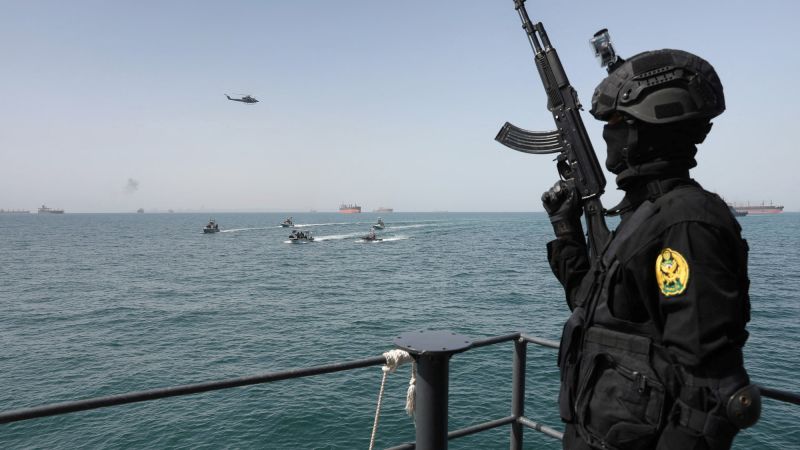
Iran has also rapidly reconstructed its largest solid-propellant missile facility in Shahrud, a move that could increase its capacity for long-range strikes. Additionally, the nation has strengthened its national security framework by appointing veterans and conducting maritime exercises in the Persian Gulf, while intensifying internal measures against opposition voices.